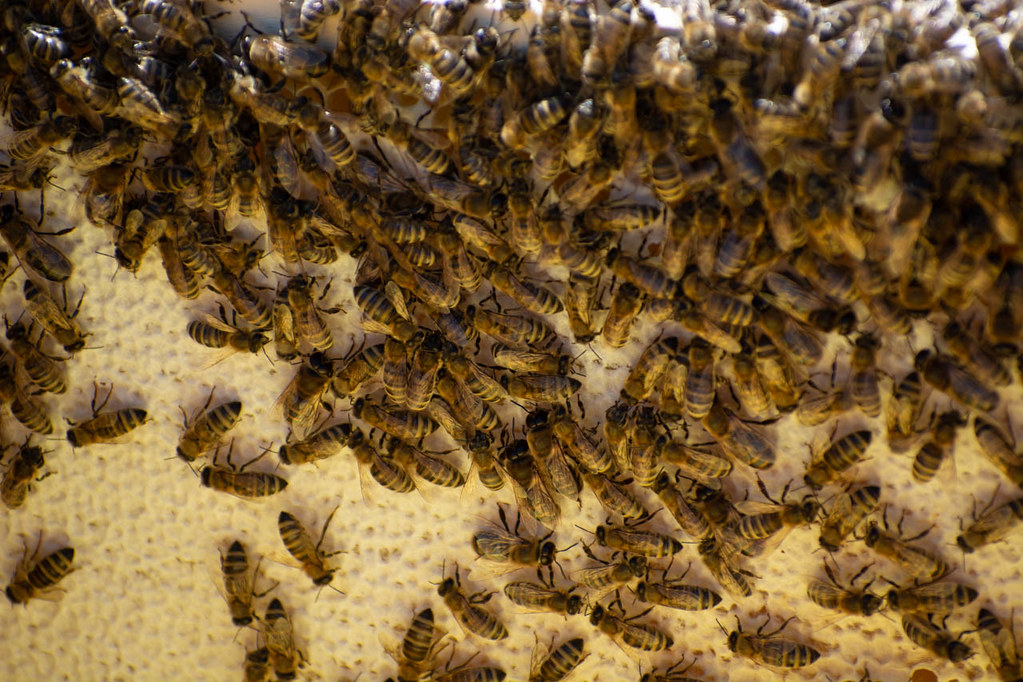

Travel exposes people to diverse environments where natural ecosystems operate without familiar residential controls or predictable maintenance routines. Consequently, bees often appear around accommodations, outdoor dining areas, beaches, parks, or roadside stops. These insects respond instinctively to food aromas, bright colors, moisture, and flowering vegetation commonly found in travel destinations worldwide. Understanding these attraction factors helps travelers plan preventive strategies that keep bees away without harming pollinators.
Bees rely heavily on scent cues when locating nectar, water, and potential nesting areas during active foraging periods. Sweet foods, fruit drinks, perfumes, and even sunscreen fragrances can attract unwanted attention quickly. Additionally, open trash receptacles and uncovered food remnants intensify attraction, particularly in warm climates. Travelers unfamiliar with local ecosystems may unknowingly increase risk through ordinary behaviors.
Environmental unfamiliarity further complicates reactions when encountering bees during travel. People often respond with sudden movements or panic, which can trigger defensive behaviors from bees. Education and awareness reduce fear while encouraging calm responses. Recognizing that bees typically avoid confrontation helps travelers maintain composure and safety.
Ultimately, preparation remains essential when navigating unfamiliar landscapes. Understanding why bees appear empowers travelers to make informed decisions. With awareness and strategic habits, travelers significantly reduce encounters while respecting ecological balance.
Smart Packing Choices That Keep Bees Away
Packing thoughtfully plays a critical role in minimizing bee encounters throughout various travel scenarios. Selecting unscented personal care products reduces fragrance signals that attract foraging insects nearby. Neutral soaps, shampoos, and lotions offer practical benefits without compromising hygiene or comfort. These choices subtly keep bees away during extended outdoor exposure.
Clothing color selection also influences bee attraction levels. Bright floral patterns and vivid colors mimic natural blossoms, drawing bees unintentionally. Opting for neutral or muted tones reduces visual stimulation that might attract curious pollinators. Lightweight long sleeves provide additional protection without sacrificing comfort in warmer climates.
Food storage practices deserve equal attention while traveling. Using sealed containers prevents food aromas from dispersing into surrounding areas. This practice proves especially valuable during picnics, camping, or outdoor sightseeing activities. Consistent food management supports efforts to keep bees away without eliminating enjoyable culinary experiences.
Additionally, packing portable covers or reusable wraps allows quick protection for drinks and meals outdoors. These simple tools prevent bees from accessing food while minimizing interaction risk. Strategic packing, therefore, supports both safety and convenience throughout travel adventures.
Behavioral Habits That Keep Bees Away Naturally
Behavioral awareness significantly influences how often travelers encounter bees during journeys. Remaining calm and avoiding sudden gestures reduces defensive reactions when bees approach. Slow, deliberate movements signal nonthreatening behavior, encouraging bees to retreat naturally. Practicing composure remains essential in unfamiliar outdoor settings.
Choosing seating locations thoughtfully further minimizes risk during outdoor dining or relaxation. Avoiding areas near flowering plants, garbage bins, or water sources reduces bee presence considerably. Observing surroundings before settling helps travelers anticipate potential encounters. These habits consistently keep bees away in diverse environments.
Hydration practices also matter when managing bee encounters. Sweet beverages attract bees rapidly, especially during warm weather. Using covered cups or straws limits access and reduces exposure. Selecting less sugary options further decreases attraction without sacrificing hydration needs.
Travelers should also remain mindful of local customs and environmental patterns. Certain regions experience seasonal bee activity peaks requiring heightened awareness. Understanding local conditions supports informed behavioral adjustments. Through mindful habits, travelers enjoy experiences comfortably while maintaining respectful coexistence with pollinators.
Accommodation and Location Strategies for Bee Avoidance
Accommodation selection influences exposure to bees significantly throughout travel experiences. Choosing lodging with screened balconies, sealed windows, and maintained landscaping reduces unexpected encounters. Well-managed properties implement pest control measures that respect ecological standards. These factors collectively help keep bees away during stays.
Outdoor recreational planning also affects encounter frequency. Scheduling activities during cooler morning or evening hours avoids peak foraging times. This timing adjustment enhances comfort while reducing bee activity exposure. Travelers benefit from quieter environments and improved safety simultaneously.
In some cases, travelers encounter persistent bee presence near temporary accommodations. When natural deterrence proves insufficient, professional assistance may become necessary. Integrated within broader safety planning, consulting professional bee removal services offers humane solutions without disrupting travel plans. This option aligns with responsible environmental stewardship while ensuring guest safety.
Awareness of nearby attractions also informs location choices. Staying clear of orchards, vineyards, or dense gardens during peak seasons reduces risk. Strategic accommodation planning supports enjoyable travel experiences with minimal disruption.
Long-Term Travel Awareness for Sustainable Coexistence
Developing long-term awareness fosters sustainable coexistence between travelers and pollinators worldwide. Education about bee behavior reduces fear and promotes responsible responses during encounters. Travelers who understand ecological roles approach interactions with respect rather than alarm. This mindset contributes to safer experiences for all.
Maintaining consistent preventive habits across trips reinforces effectiveness over time. Travelers adapt quickly when strategies become routine rather than reactive. Familiarity with preventive measures ensures preparedness regardless of destination. These habits continuously keep bees away while supporting ecological balance.
Reflecting on travel experiences also enhances future planning. Identifying what strategies worked best informs smarter decisions moving forward. Sharing knowledge with companions encourages collective responsibility and safety. Over time, travelers become confident navigating environments with minimal concern.
Ultimately, respectful awareness transforms travel challenges into opportunities for learning. When travelers prioritize preparation, behavior, and informed choices, journeys remain enjoyable. Coexisting thoughtfully with nature enriches experiences while preserving environmental harmony across destinations.