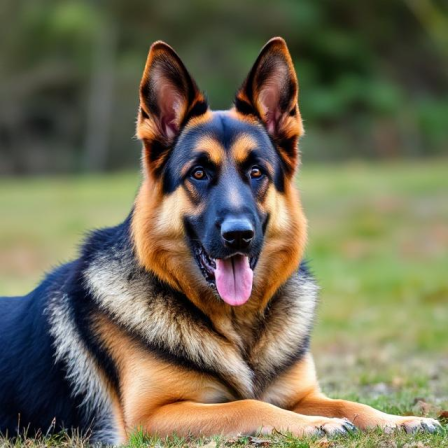

1. Introduction: Dogs Speak Without Words
Dogs may not speak our language, but they communicate constantly through body movements, facial expressions, and sounds. Understanding these signals helps owners connect more deeply with their pets. Each tail wag, bark, or posture tells a story—and once you learn to read it, your dog’s world becomes clearer.
2. The Meaning Behind Tail Movements
A wagging tail doesn’t always mean happiness. A fast, loose wag usually shows excitement or joy, while a slow wag can signal uncertainty. If the tail is tucked between the legs, it often means fear or insecurity. A stiff, high tail can indicate alertness or even dominance. Observing the tail’s height, speed, and stiffness helps decode your dog’s emotional state.
3. Facial Expressions Tell the Truth
Your dog’s eyes and mouth reveal more than you think. Soft eyes, relaxed eyelids, and slow blinking show comfort and trust. Wide eyes or “whale eye” (when the whites of the eyes show) mean anxiety or fear. A relaxed open mouth often indicates happiness, while a tightly closed mouth suggests stress. Dogs use facial cues to express subtle emotions that owners can easily miss.
4. Ear Positions Speak Loudly
Ears are like emotional antennas. Forward-facing ears mean curiosity or focus. Flattened ears usually indicate fear, submission, or nervousness. If the ears constantly shift directions, your dog might be listening to multiple things and feeling alert or cautious. Paying attention to ear movement can help you understand how your dog feels in different environments.
5. Barking, Whining, and Growling: Vocal Messages
Dogs use various sounds to communicate. A sharp bark can signal excitement or warning, while repetitive barking often expresses boredom or a call for attention. Whining is usually a sign of discomfort, stress, or desire for something. Growling doesn’t always mean aggression—it can be a warning, a request for space, or even playful communication during games.
6. The Message Behind Body Posture
A dog’s stance reveals confidence or insecurity. A relaxed body, loose muscles, and normal breathing mean your dog feels safe. A stiff posture, raised hackles (hair on the back), or leaning forward can show aggression or high alert. Rolling onto the back can be submission, trust, or an invitation for a belly rub—context matters.
7. Pawing, Nudging, and Leaning on You
These gestures are sweet forms of communication. When a dog paws at you, they may want attention, food, or reassurance. Nudging with the nose is a friendly request to notice them. Leaning against you shows comfort and trust—your dog sees you as a safe place.
8. The Play Bow: A Universal Dog Signal
One of the clearest dog signals is the play bow, where the front legs stretch forward while the rear stays up. This position means, “Let’s play!” It shows friendliness, excitement, and the desire for positive interaction.
9. Understanding Stress Signals
Yawning, lip licking, scratching, and shaking off (like drying water) often mean stress or tension—not sleepiness or itchiness. Recognizing these signs helps prevent overwhelming your dog and ensures a safe, calm environment.
10. Conclusion: Becoming Fluent in Dog Language
Learning your dog’s body language strengthens your relationship and helps you respond to their needs with love and confidence. Dogs express their emotions clearly—we just need to listen with our eyes and hearts. When you understand their secret language, every day becomes a deeper bond with your loyal companion.
11. How Dogs Communicate With Other Dogs
Dogs also use their body language to talk to other dogs. When two dogs meet, they exchange signals within seconds—such as sniffing, circling, or maintaining a calm posture. A relaxed tail wag and soft eyes show friendliness, while stiff bodies or raised hackles warn of discomfort. Understanding these interactions helps owners prevent conflicts and support safe socialization.
12. Creating Better Communication With Your Dog
You can improve communication by paying close attention to your dog’s signals and responding appropriately. Reward calm behavior, give space when they show stress, and use positive reinforcement during training. When your dog realizes you understand their cues, trust grows naturally. This leads to a smoother, happier relationship where both you and your dog feel connected and understood.