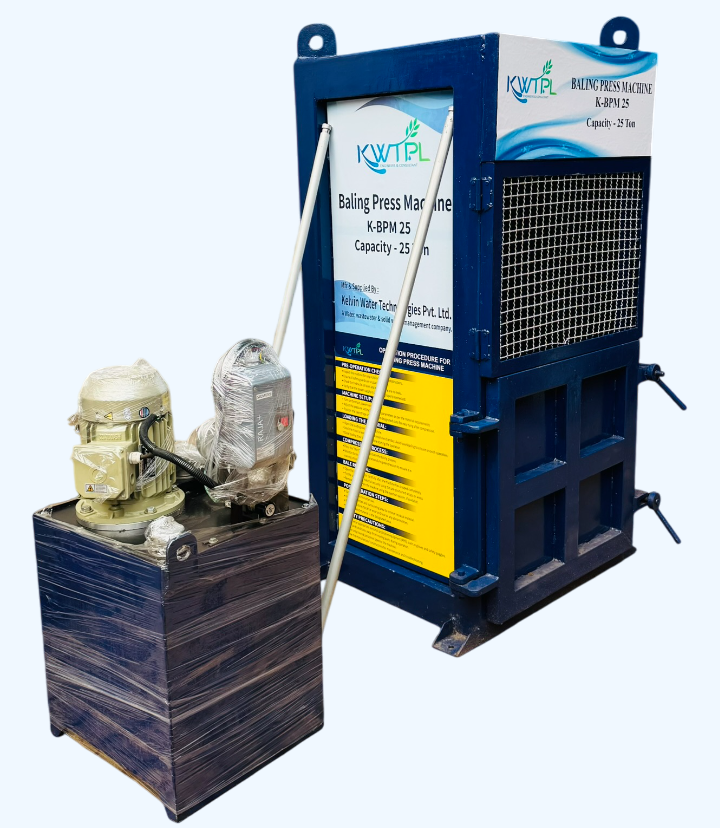

A Baling Press Machine plays a vital role in modern waste management, recycling operations, and industrial material handling. As industries generate increasing volumes of waste—such as paper, plastic, fabric, metal scraps, PET bottles, and cardboard—efficient compaction becomes essential. A baling press machine compresses loose waste into uniform, dense bales that are easy to store, transport, and recycle. This not only reduces disposal costs but also improves operational productivity and environmental sustainability.
Introduction to Baling Press Machines
A baling press machine, also called a baler, is a mechanical device designed to compress recyclable or waste materials into compact bales using hydraulic pressure. These bales are tied or strapped for easy handling. Baling machines are widely used in industries where the volume of waste is high and space optimization is important.
From small workshops to large manufacturing facilities, balers help streamline waste collection and minimize clutter. They are considered a backbone of recycling centres and industries aiming for zero waste.
How Does a Baling Press Machine Work?
A baling press machine operates through a systematic hydraulic mechanism:
- Loading the Material
Waste materials are manually or automatically placed inside the machine chamber. - Hydraulic Compression
Powerful hydraulic cylinders apply pressure to compress the material. The pressure can range from 10 tons to over 200 tons depending on machine capacity. - Compaction into Bales
The material is compressed into a dense block. Modern models allow adjustable bale sizes. - Tying/Strapping the Bale
The compressed bale is tied with metal wires or plastic straps to hold its shape. - Bale Ejection
The bale is automatically or manually ejected and is ready for storage or transportation.
Types of Baling Press Machine
- Vertical Baling Press Machine
Ideal for smaller facilities, retail stores, and warehouses.
- Space-saving design
- Cost-effective
- Easy to operate
- Horizontal Baling Press Machine
Preferred in large-scale recycling centers and industrial units.
- High production rate
- Automatic feeding option
- Larger bale sizes
- Fully Automatic Baling Press Machine
Suitable for heavy-duty and continuous operations.
- Conveyor feeding
- Automatic tying
- Best for big recycling companies
- Double-Action and Triple-Action Balers
Used for compressing metal chips and scrap materials.
- Strong hydraulic force
- Suitable for metal recycling industries
Key Features of a High-Quality Baling Press Machine
- Robust Hydraulic System: Ensures strong compaction and long operational life.
- Heavy-Duty Structure: Built with durable steel for handling large volumes.
- Energy-Efficient Design: Helps reduce electricity costs.
- Easy Operation: User-friendly control panels for smooth functioning.
- Safety Systems: Safety guards, emergency stop buttons, and interlocks.
- Low Maintenance Requirement: Minimizes downtime and enhances productivity.
- Customizable Bale Sizes: Adjustable bale dimensions for operational convenience.
Benefits of Using a Baling Press Machine
- Reduced Storage Space
Compaction can reduce waste volume by up to 90%.
- Lower Transportation Costs
More waste fits into each truckload, minimizing fuel and labor expenses.
- Improved Waste Handling
Organized waste management ensures a cleaner and safer workspace.
- Enhanced Recycling Efficiency
Recyclers prefer uniform bales—this speeds up processing and increases recycling profitability.
- Compliance with Environmental Standards
Baling helps companies meet modern waste disposal guidelines.
- Increased Revenue from Recyclables
Well-compacted bales fetch better prices in recycling markets.
Industries That Commonly Use Baling Press Machines
- Packaging industry
- Textile manufacturing
- Paper mills
- Plastic product manufacturers
- Municipal waste stations
- Warehouses and logistics units
- Metal recycling units
- Agriculture (for hay, cotton, etc.)
Why Are Baling Press Machines Important for the Future?
As the world moves toward sustainable production, waste reduction and recycling are gaining importance. Governments enforce strict environmental norms, pushing industries to adopt resource-efficient waste handling technologies. Baling machines support the circular economy by transforming waste into reusable resources.
Moreover, with rapid industrial growth, companies prefer solutions that reduce operational costs, increase efficiency, and optimize storage—all of which the baling press machine provides.
How to Choose the Right Baling Press Machine?
When selecting a baler, consider the following:
- Type of waste material
- Required bale size and density
- Daily waste generation volume
- Available space and power supply
- Budget and automation needs
- Safety features and machine durability
Conclusion
A baling press machine is an essential investment for industries aiming to optimize waste management, reduce costs, and support environmental sustainability. Whether you’re handling plastics, paper, textiles, cardboard, or metal scrap, a well-chosen baler can significantly transform your waste handling system. By compressing loose waste into uniform bales, companies not only save space and money but also contribute to a cleaner and greener planet.