
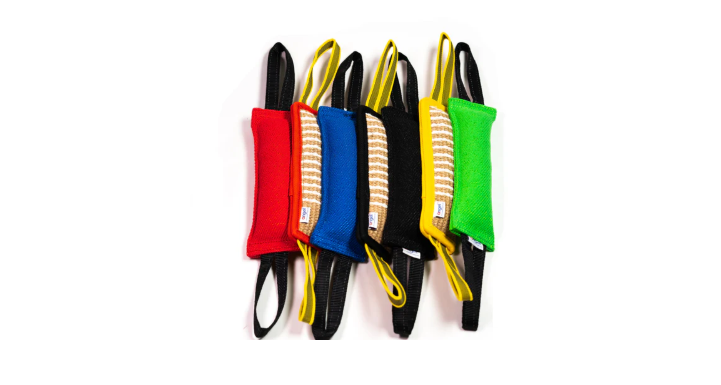

Training your dog to develop a strong bite grip and unwavering focus requires the right combination of tools, technique, and patience. One of the most effective and widely used training tools by professional handlers and pet owners alike is the dog bite tug. It’s more than just a toy—it’s a bridge between play, learning, and performance. Whether you’re training a working dog, a sport dog, or simply helping your pet burn energy, a bite tug can enhance strength, coordination, and engagement.
In this article, we’ll explore the proper way to use a bite tug, how it benefits your dog’s physical and mental development, and tips to make every session safe and effective.
Understanding the Purpose of a Dog Bite Tug
A dog bite tug toy is typically made from strong, durable materials like jute, firehose, or French linen, designed to withstand pulling and biting without tearing easily. It’s used to simulate controlled prey play—allowing your dog to bite, tug, and release on command.
Unlike ordinary toys, bite tugs are built for training bite strength and control. They help channel your dog’s natural prey drive into productive play. This form of exercise teaches the dog how to focus, respond to cues, and develop confidence during training sessions.
Benefits of Bite Tug Training
1. Builds Jaw Strength and Endurance
The repetitive biting and pulling actions involved in tug play help strengthen your dog’s jaw muscles. This is particularly useful for breeds involved in protection, police, or sport work, where grip strength is essential.
2. Improves Focus and Obedience
Bite tug sessions require your dog to listen to commands like “take it,” “hold,” and “release.” This interactive control enhances your dog’s concentration and respect for handler authority while still keeping training fun.
3. Boosts Confidence
Many shy or anxious dogs benefit from bite tug play because it allows them to express energy and success through controlled wins. Each successful bite or tug victory builds your dog’s confidence and motivation to engage.
4. Enhances Bond Between Dog and Handler
When used correctly, tug training strengthens the emotional connection between you and your dog. The play-driven nature of this activity makes your dog associate you with positive, exciting experiences.
Step-by-Step Guide: How to Train with a Bite Tug
Step 1: Choose the Right Tug Toy
Select a tug that fits your dog’s size and strength. For puppies or small breeds, softer, smaller tugs are best. For adult working or large breeds, thicker and more durable tugs provide better resistance. Always ensure it’s comfortable for you to hold with proper handles for safety.
Step 2: Introduce the Tug Toy Positively
Start by showing the tug to your dog in a playful manner. Wiggle it around, drag it lightly on the ground, or make short, quick movements to trigger prey instincts. The goal is to create excitement without frustration.
Step 3: Encourage the Bite
Once your dog shows interest, allow them to bite the tug firmly. Praise them immediately and let them enjoy short pulls. Avoid jerking or pulling too aggressively, especially for beginners, as it can strain their neck or jaw.
Step 4: Teach “Take It” and “Release” Commands
Introduce verbal cues during play. Say “take it” when offering the tug and “release” when you want them to let go. Use treats or another quick round of play as a reward for obeying commands. Consistency is key to reinforcing focus and discipline.
Step 5: Add Structure and Control
As your dog becomes more comfortable, add short training intervals. Alternate between tug play and obedience commands like “sit” or “stay.” This method helps your dog learn that reward and play come through control, not chaos.
Step 6: End on a Positive Note
Always finish the game when your dog is still enthusiastic. This leaves them eager for the next session and prevents frustration or loss of interest.
Safety Tips During Bite Tug Training
- Supervise every session: Never leave your dog unattended with the tug toy, as they might chew or tear it apart.
- Check for wear and tear: Replace the tug immediately if it starts to fray or weaken.
- Avoid vertical pulling: Never lift your dog off the ground with the tug; it can cause serious injury.
- Limit sessions: Keep play sessions short—five to ten minutes of intense tugging is enough for most dogs.
- Use a safe surface: Train on grass or rubber flooring to avoid slipping or injury during play.
Advanced Tips for Stronger Grip and Focus
- Vary the resistance: Use tugs with different textures and thicknesses to challenge your dog’s bite strength.
- Incorporate movement: Move backward while tugging to simulate prey movement and encourage pursuit.
- Reward calmness: Only begin tug play when your dog is calm and waiting for your command—this reinforces focus and impulse control.
- Introduce distractions: As your dog improves, train in slightly distracting environments to strengthen attention under pressure.
Common Mistakes to Avoid
- Allowing the dog to dictate playtime instead of the handler.
- Using the tug as a chew toy.
- Ending the session abruptly after your dog loses interest.
- Encouraging overexcitement or aggression instead of controlled play.
Final Thoughts
A bite tug is one of the most rewarding tools for developing both physical and mental skills in your dog. When used correctly, it not only strengthens the bite grip but also enhances obedience, trust, and engagement. Remember, the key is to balance fun with structure—making each session enjoyable while maintaining clear communication and control.
Whether you’re training a young puppy or refining the drive of a working dog, consistent use of a dog bite tug toy can transform playtime into a powerful learning experience that builds lasting focus, discipline, and confidence.


