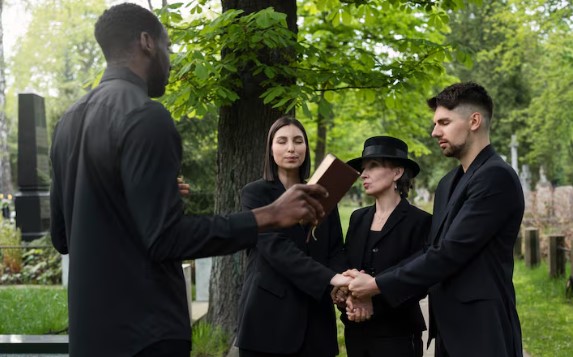

Honouring a loved one’s final journey is deeply shaped by cultural and religious practices, and funeral directors in Melbourne play an essential role in guiding families through these meaningful traditions. Their understanding, compassion, and respect help ensure every farewell reflects the beliefs, heritage, and values that matter most.
The Importance of Respecting Cultural & Religious Traditions
Funeral customs carry spiritual, emotional, and cultural significance that can provide immense comfort during a time of loss. These traditions help families maintain a sense of identity, continuity, and connection with generations before them. Funeral directors support these rituals by offering guidance while ensuring families’ beliefs are upheld with dignity and authenticity.
Supporting Melbourne’s Multicultural Communities
As one of Australia’s most diverse cities, Melbourne is home to families from a wide range of cultural backgrounds. Funeral directors are often required to adapt to unique customs and expectations, offering a service that feels familiar and comforting. Their role may include:
-
Facilitating spiritual or religious rituals
-
Accommodating specific mourning attire or colours
-
Ensuring privacy for traditional rites
-
Coordinating with community or cultural leaders
-
Allowing ceremonial music, chants, incense, or symbolic items
This culturally aware approach ensures families feel respected and supported throughout the process.
Honouring Religious Traditions with Sensitivity
Different religions have distinct practices surrounding grief, death, and the afterlife. Funeral directors must be knowledgeable and sensitive to the following (and many other) traditions:
Christian Traditions
Many Christian families include scripture readings, hymns, blessings, and eulogies. Funeral directors help organise church services, burial or cremation preferences, and any symbolic items such as candles or crosses.
Islamic Traditions
Islamic customs often require prompt burial, washing rites performed by the family or community, and specific prayers. Funeral directors ensure these practices can take place respectfully and on time.
Hindu Traditions
Hindu customs usually include cremation, spiritual readings, offerings, and rituals that guide the soul’s journey. Funeral directors help prepare spaces and coordinate with religious figures as needed.
Buddhist Traditions
Buddhist ceremonies may involve chanting, incense, and meditation. Funeral directors create a calm, respectful environment that aligns with spiritual beliefs.
Jewish Traditions
Jewish funerals typically follow specific burial customs, mourning periods, and traditions such as the recitation of prayers. Funeral directors assist in ensuring the timing and rituals are carried out correctly.
Understanding these practices allows funeral directors to provide services that feel truly meaningful and aligned with each family’s faith.
Blending Tradition with Personalisation
While many families follow traditional customs, they may also wish to incorporate personal touches that reflect their loved one’s life. Funeral directors help balance these elements, ensuring both culture and individuality shine through. Personalised additions may include:
-
Life stories or tribute readings
-
Photo boards and video presentations
-
Cultural artwork, textiles, or symbols
-
Favourite songs or meaningful music
-
Collections or keepsakes displayed to honour memories
This thoughtful blend helps create a ceremony that feels authentic, heartfelt, and deeply connected to the person being remembered.
Guidance Through a Difficult Journey
Planning a funeral can be overwhelming, especially when cultural or religious expectations must be observed. Funeral directors provide calm, informed guidance at every step by:
-
Coordinating with religious or community leaders
-
Managing ceremony timelines and logistics
-
Ensuring rituals are performed correctly and respectfully
-
Offering clear communication to ease emotional stress
-
Supporting families as they navigate grief
Their experience and empathy allow families to focus on mourning, reflection, and healing.
Respecting Traditions Across Generations
In today’s modern world, families are often looking to honour long-held customs while also embracing contemporary preferences. Funeral directors help bridge generational differences by:
-
Explaining the significance of traditional rituals
-
Offering ways to modernise ceremonies without losing meaning
-
Encouraging families to share stories and cultural teachings
-
Creating environments where younger generations can learn about heritage
This helps preserve cultural identity and ensures traditions continue meaningfully into the future.
Why Cultural Understanding Truly Matters
Every farewell is more than just a ceremony—it is an expression of love, identity, and connection. When funeral directors respect and understand cultural and religious traditions, they help families create a farewell that feels genuine and healing.
Their role is not just logistical but deeply human. By honouring heritage and guiding families with compassion, funeral directors help create final tributes that bring comfort, closure, and lasting peace.