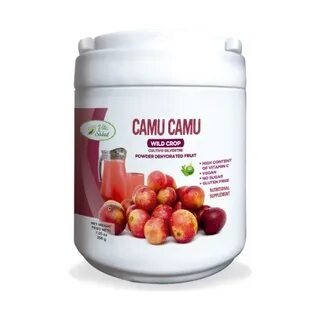

Camu C, also known as Camu Camu (Myrciaria dubia), is one of the most potent natural sources of vitamin C on Earth. This small Amazonian berry has recently attracted attention from health experts and patients living with chronic illnesses. Its remarkable antioxidant profile and potential anti-inflammatory benefits have made it a promising natural support for long-term health conditions. But what does scientific research actually say about Camu C and its effects on chronic diseases? Let’s explore the evidence in depth.
What Makes Camu C Unique
Camu C stands out for its exceptionally high vitamin C concentration—about 30 to 60 times higher than an orange. In addition to vitamin C, it contains bioactive compounds such as flavonoids, anthocyanins, and ellagic acid, all known for their protective effects against oxidative stress.
Key Nutrients in Camu C
- Vitamin C – strengthens immunity and supports collagen production
- Flavonoids – reduce inflammation and improve vascular function
- Anthocyanins – protect cells from free radical damage
- Ellagic Acid – supports detoxification and DNA protection
These natural compounds make Camu C a potential ally for those suffering from chronic inflammatory and metabolic disorders.
The Connection Between Oxidative Stress and Chronic Illness
Most chronic diseases—including diabetes, arthritis, heart disease, and even some neurological disorders—share one common factor: oxidative stress. This happens when the body’s antioxidant defense system fails to neutralize harmful free radicals, leading to cell damage and inflammation.
Studies have shown that Camu C’s rich antioxidant profile may help lower oxidative stress markers and improve cellular resilience, which is crucial for managing long-term illnesses.
What Scientific Studies Reveal About Camu C
Several research studies have explored Camu C’s potential therapeutic benefits. While most are preliminary, the findings are encouraging.
Camu C and Inflammation
A landmark study published in the Journal of Nutritional Science and Vitaminology found that Camu C juice significantly reduced inflammatory markers in subjects compared to those given synthetic vitamin C. This suggests that Camu C’s whole-fruit compounds have stronger anti-inflammatory potential than isolated vitamin C supplements.
Camu C and Metabolic Health
In another clinical trial, participants with metabolic syndrome who consumed Camu C showed lower levels of blood glucose and cholesterol compared to a placebo group. Researchers attributed these benefits to the synergistic action of vitamin C and plant polyphenols that enhance insulin sensitivity and lipid metabolism.
Camu C and Immune System Support
Because chronic illness often weakens immune response, patients are more vulnerable to infections. Studies indicate that Camu C enhances immune defense by boosting the production of white blood cells and regulating inflammatory cytokines, providing an additional layer of protection.
Camu C’s Role in Managing Common Chronic Conditions
Camu C for Diabetes Management
Patients with diabetes face ongoing oxidative stress and inflammation. Research suggests Camu C may help by:
- Improving insulin sensitivity
- Reducing fasting glucose levels
- Protecting pancreatic cells from oxidative damage
While not a replacement for prescribed medications, Camu C could serve as a supportive natural supplement in diabetes care under medical supervision.
Camu C for Heart and Vascular Health
The antioxidants in Camu C can help reduce LDL oxidation, one of the key triggers of heart disease. Studies have also observed improved vascular flexibility and blood pressure regulation among participants consuming Camu C regularly. Its combination of polyphenols and vitamin C supports better endothelial function—important for maintaining a healthy cardiovascular system.
Camu C for Arthritis and Joint Disorders
Inflammatory joint conditions like rheumatoid arthritis often worsen due to oxidative stress. The anti-inflammatory compounds in Camu C may help decrease joint pain, improve mobility, and slow tissue degradation when combined with a balanced diet and lifestyle.
How Camu C Compares to Synthetic Vitamin C
Many patients wonder whether taking Camu C offers any advantage over standard vitamin C tablets. Research points to a clear difference:
- Camu C contains a natural matrix of nutrients—flavonoids and phenolic acids—that work together to enhance vitamin C absorption and retention in the body.
- Synthetic vitamin C lacks these cofactors, often resulting in faster excretion and less sustained antioxidant activity.
This “whole food synergy” is why Camu C may deliver stronger and longer-lasting benefits for individuals managing chronic illnesses.
Recommended Dosage and Safe Use
While Camu C is considered safe for most people, dosage and quality matter.
Suggested Intake
- Powder form: 1 to 2 teaspoons daily (about 1000–2000 mg vitamin C equivalent)
- Capsule form: Follow manufacturer instructions (typically 500–1000 mg daily)
- Juice form: 30–50 ml daily
It’s best to start small and increase gradually, especially if you’re new to vitamin C supplements. Always consult your healthcare provider if you’re managing chronic conditions or taking prescription medications.
Possible Side Effects
Excessive consumption can cause:
- Stomach discomfort
- Diarrhea
- Nausea (rarely, at very high doses)
Patients with kidney disorders should avoid high doses due to the risk of oxalate buildup.
Choosing a Quality Camu C Supplement
Because not all supplements are created equal, patients should look for:
- Organic certification to ensure purity
- Freeze-dried processing to preserve nutrients
- No artificial fillers or sweeteners
- Transparent sourcing (preferably Amazon rainforest origin)
Opting for reputable brands that provide lab-tested results ensures you’re getting a genuine, effective product.
Expert Insights: What the Research Still Needs to Confirm
Although current data on Camu C is promising, more large-scale human trials are needed to confirm its therapeutic effects. Most existing studies involve small sample sizes or animal models. However, nutrition experts emphasize that incorporating Camu C as part of an overall anti-inflammatory diet can be beneficial for chronic illness management.
Final Thoughts on Camu C and Long-Term Health
Camu C stands out as a natural powerhouse for supporting patients with chronic illnesses. Its unique combination of vitamin C, flavonoids, and antioxidants contributes to better inflammation control, enhanced immunity, and improved cellular protection. While it’s not a cure, scientific studies increasingly support its role as a complementary tool for long-term health maintenance.
For patients seeking natural ways to support their chronic condition management, Camu C offers both tradition-backed and evidence-supported benefits. With ongoing research and careful use, this Amazonian fruit may become a valuable ally in modern integrative healthcare.