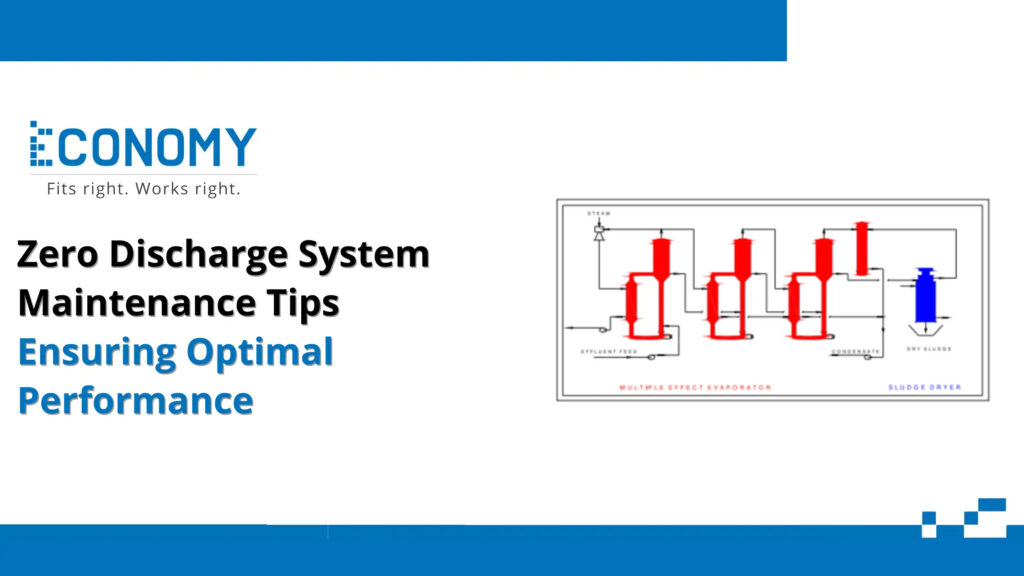

Industries across the globe are under increasing pressure to conserve water and reduce environmental impact. A Zero Discharge System (ZDS) plays a critical role by treating wastewater in a way that leaves no liquid discharge, ensuring that every drop is either recycled or converted into solid residue. These systems, however, are intricate networks of equipment involving filtration, thermal evaporation, crystallization, and advanced monitoring tools. To keep them running smoothly, regular and strategic maintenance is non-negotiable.
This article explores the significance of upkeep, practical maintenance tips, troubleshooting solutions, and tools that ensure Zero Discharge Systems operate at their highest potential.
Why Regular Upkeep is Essential for Zero Discharge System?
Zero Discharge Systems are capital-intensive and technologically advanced. Any neglect in maintenance can lead to efficiency losses, higher operational costs, and regulatory non-compliance. The reasons upkeep is essential include:
-
Prevention of Downtime: A single failure in a pump or evaporator can halt the entire system, disrupting production schedules.
-
Resource Optimization: Proper maintenance ensures that water recovery rates remain consistent and energy consumption is minimized.
-
Compliance Assurance: Environmental regulations are strict; consistent upkeep helps industries meet legal discharge standards without risk of penalties.
-
Equipment Longevity: Just like any industrial system, proactive care extends the service life of membranes, filters, and thermal units.
-
Sustainable Practices: Maintenance directly supports the environmental and corporate sustainability goals industries are now required to meet.
Key Maintenance Tips for Zero Discharge Systems
To maximize the lifespan and efficiency of ZDS, Zero Discharge System maintenance must be both systematic and tailored. Some practical tips include:
-
Membrane Health Checks: RO and ultrafiltration membranes should be tested for permeability and replaced when fouling or scaling is beyond recovery.
-
Thermal Equipment Descaling: Evaporators and crystallizers accumulate mineral deposits; periodic acid washing or mechanical cleaning restores efficiency.
-
Pump and Seal Monitoring: Regular lubrication, seal inspection, and vibration checks reduce risks of sudden breakdowns.
-
Instrumentation Calibration: Sensors for pH, conductivity, and flow should be recalibrated frequently to avoid false readings.
-
Sludge Handling Optimization: Ensure sludge dryers and dewatering units are cleaned to prevent blockages and maintain throughput.
-
Filter Replacement: Cartridge and sand filters in the pretreatment stage should be changed before pressure drop exceeds manufacturer’s limits.
-
Automation System Updates: Software and SCADA systems should receive updates for improved monitoring and predictive maintenance.
Answers for Normal Issues
Even the best-maintained ZDS will face common operational problems. Here’s how to address them effectively:
-
Problem: Scaling in Heat Exchangers
Solution: Introduce anti-scalant dosing systems and monitor water chemistry closely. -
Problem: Excessive Energy Use
Solution: Check for scale buildup in evaporators and misaligned pumps; replace worn-out insulation to reduce heat loss. -
Problem: Unexpected Pump Shutdowns
Solution: Install condition-monitoring devices and ensure a routine for bearing checks and oil changes. -
Problem: Fouling in Membranes
Solution: Use chemical cleaning-in-place (CIP) at scheduled intervals and maintain pretreatment efficiency. -
Problem: Sludge Odor or Overflow
Solution: Enhance dewatering techniques, apply biological additives if required, and maintain aeration.
By catching these issues early, industries can avoid complete system shutdowns and costly overhauls.
Best Practices for Feasible Support
Maintaining Zero Discharge Systems is not about reactive fixes—it’s about establishing a culture of proactive support. Some best practices include:
-
Scheduled Preventive Maintenance: Develop a time-based plan aligned with OEM recommendations rather than waiting for faults to appear.
-
Operator Training Programs: Well-trained staff can recognize early symptoms of system stress, ensuring quicker intervention.
-
Data-Driven Decisions: Use digital logs and IoT-enabled monitoring to analyze trends, enabling predictive maintenance.
-
Spare Part Readiness: Keep an inventory of critical spares such as membranes, seals, and sensors to avoid downtime during emergencies.
-
Chemical Quality Assurance: Always use certified cleaning agents and anti-scalants to protect system integrity.
-
Cross-Team Collaboration: Maintenance should involve not just technicians but also process engineers, quality teams, and management.
Devices and Assets for Upkeep
Efficient upkeep requires the right set of devices and resources. Some must-have tools and assets include:
-
Handheld Water Analyzers: Portable devices for instant testing of pH, conductivity, and TDS.
-
Vibration Sensors: Installed on pumps and motors to detect mechanical imbalances before failure occurs.
-
Infrared Thermography Tools: Useful for identifying hot spots in evaporators or electrical panels.
-
Automated Greasing Systems: Ensure consistent lubrication of moving parts, reducing wear.
-
Maintenance Software: CMMS (Computerized Maintenance Management System) for scheduling, tracking, and reporting.
-
CIP Units: Dedicated skids that allow chemical cleaning of membranes and heat exchangers without system disassembly.
These tools make the difference between reactive firefighting and proactive, efficient maintenance.
Guaranteeing Ideal Execution Through Customary Support
Optimal performance in Zero Discharge Systems is only achievable when maintenance becomes a routine part of operations. This involves:
-
Establishing daily checklists for operators to record basic parameters like flow, temperature, and pressure.
-
Conducting weekly system audits that analyze energy use, recovery rates, and reject water quality.
-
Scheduling quarterly professional servicing from OEMs or certified vendors to validate system health.
-
Implementing continuous improvement strategies—such as upgrading membranes or integrating advanced analytics—for long-term performance gains.
Customary support ensures ZDS functions not just as an environmental compliance measure, but as a competitive advantage for industries committed to sustainability.
Conclusion
Zero Discharge Systems are indispensable in industries striving for water conservation and regulatory compliance. Yet, their efficiency depends entirely on disciplined maintenance. From protecting membranes and pumps to monitoring sludge management and energy efficiency, every component requires structured attention. With proper tools, preventive schedules, and skilled operator involvement, businesses can ensure their ZDS delivers consistent results.
Ultimately, regular maintenance transforms Zero Discharge Systems from complex installations into reliable sustainability assets, guaranteeing both operational excellence and environmental responsibility.