
A pond aerator was not something I ever planned to learn about. A few years ago, I simply wanted a peaceful backyard pond where I could relax after long workdays. I imagined clear water, gentle ripples, and a few colorful fish gliding calmly beneath the surface. Reality, however, had other plans.
Within weeks, the water turned cloudy. Then came the algae. Soon after, I noticed my fish gasping near the surface, which honestly made me panic a little. I tried quick fixes that promised instant results, but nothing lasted. That was the moment I discovered how important proper pond oxygenation really is. And that discovery changed everything.
This article shares not just technical knowledge but also my personal experience learning how aeration systems work, why they matter, and how you can choose the right solution even if you are completely new to pond care.
Why Pond Aerator Matters More Than Most People Think
When I first researched pond maintenance, I assumed filters were the most important component. Filters are essential, but without oxygen circulation, even the best filtration system struggles.
A pond aerator improves water movement and increases dissolved oxygen levels. This simple process supports beneficial bacteria, reduces algae growth, and keeps fish healthy.
Think of a pond like a living ecosystem. Without airflow, it becomes stagnant, similar to a room with closed windows. Fresh air changes everything.
Here are the main benefits I noticed after installing aeration equipment:
• Clearer water within weeks
• Healthier and more active fish
• Reduced organic sludge buildup
• Less algae growth
• Balanced aquatic environment
The transformation felt almost unbelievable at first. I remember sitting beside the pond one evening noticing how much cleaner everything looked. It was one of those small wins that makes all the effort worth it.
How a Pond Aerator Works in Simple Terms
When I first read technical explanations about aeration systems, I found them confusing. But once I understood the basic idea, everything became simple.
A pond aerator works by pushing air into the water or creating surface movement that allows oxygen exchange.
There are two common processes:
Surface Aeration
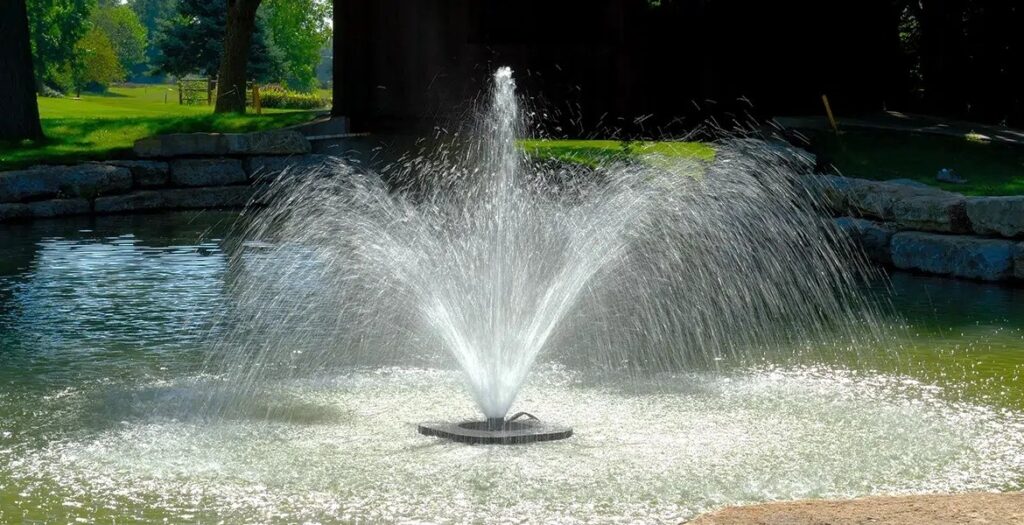
This method circulates water at the top layer. Fountain aerators fall into this category and also add visual beauty.
Diffused Aeration
This method pushes air through diffusers placed at the bottom of the pond. Rising bubbles circulate water vertically and oxygenate deeper layers.
Imagine boiling water in a pot. Heat causes movement from bottom to top. Diffused aeration works similarly, except instead of heat, it uses air pressure.
After installing a bottom diffuser system, I noticed a major difference. The pond stopped developing that musty smell that had bothered me for months.
Types of Pond Aerator Systems for Different Needs
4
Choosing the right aeration system depends on pond size, depth, and purpose. I made the mistake of buying the cheapest option first, which taught me a valuable lesson about matching equipment to actual needs.
1. Diffused Aeration Systems
These are ideal for deeper ponds. Air pumps send oxygen through tubes connected to diffusers at the bottom.
Best for
• Fish ponds
• Large ponds
• Long term water quality improvement
This is the system that ultimately solved my water clarity problems.
2. Fountain Aerators
Fountain aerators combine beauty and function. They circulate surface water while creating decorative spray patterns.
Best for
• Decorative ponds
• Landscape design
• Moderate aeration needs
I added a fountain later purely for aesthetics, and it instantly made the pond feel more alive.
3. Solar Aerators
Solar powered systems are excellent for remote locations where electricity is not easily available.
Best for
• Eco friendly setups
• Small ponds
• Off grid locations
A friend of mine installed a solar aerator for his farm pond, and the results were surprisingly effective during sunny months.
4. Surface Aerators
These floating units agitate the water surface and are commonly used in larger ponds.
Best for
• Shallow ponds
• Quick oxygen improvement
• Algae control
Signs Your Pond Needs a Pond Aerator Immediately
Sometimes pond problems appear slowly, and other times they show up almost overnight. I ignored early warning signs because I assumed they were temporary.
Here are the most common signals that aeration is needed:
Fish staying near the surface
This usually indicates low dissolved oxygen.
Strong odor
A rotten smell often means organic material is decomposing without enough oxygen.
Excess algae growth
Algae thrives in stagnant environments.
Murky or cloudy water
Poor circulation allows particles to accumulate.
One summer morning, I noticed my fish clustered near the surface. That moment pushed me to act quickly. Installing aeration equipment shortly afterward prevented further loss.
Choosing the Right Pond Aerator for Your Pond Size
Selecting the correct system can feel overwhelming at first. I remember comparing dozens of models and wondering if I would make another expensive mistake.
The easiest method is to focus on three factors.
Pond Size
Measure surface area and approximate depth. Larger ponds require stronger air pumps and multiple diffusers.
Pond Depth
Deep ponds benefit most from diffused aeration because oxygen must reach bottom layers.
Fish Population
More fish require more oxygen. Overstocked ponds need stronger circulation.
A simple analogy helped me understand this better. Think of oxygen like seating in a theater. More people means you need more seats. Similarly, more fish means more oxygen supply.
Installation Tips I Learned the Hard Way
Installing a pond aerator is easier than it looks, but there are a few details that can make a big difference.
When I installed my first system, I placed the diffuser incorrectly. The circulation pattern was uneven, and results were slow. After repositioning it toward the center, water clarity improved quickly.
Here are practical tips from my experience:
• Place diffusers at the deepest point for better circulation
• Keep the air pump in a dry ventilated area
• Use weighted tubing to prevent floating lines
• Start aeration gradually to avoid disturbing pond layers
That last point is important. Turning on full aeration immediately in older ponds can release trapped gases.
Seasonal Pond Aerator Maintenance Guide
Pond care changes throughout the year. I learned this after noticing different water conditions each season.
Spring
Spring is the best time to restart aeration systems. Organic material begins breaking down as temperatures rise.
Summer
Warm water holds less oxygen, so aeration becomes critical.
This is when I run my system longer each day.
Autumn
Falling leaves increase organic buildup. Aeration helps prevent sludge formation.
Winter
In colder climates, aeration prevents complete surface freezing and allows gas exchange.
Watching steam rise gently from my pond during winter mornings has become one of my favorite sights.
Common Pond Aerator Mistakes Beginners Should Avoid
Everyone makes mistakes when learning something new. I certainly did.
Here are the most common ones:
Buying undersized equipment
Small units cannot handle larger ponds.
Ignoring maintenance
Air filters and diffusers require occasional cleaning.
Poor placement
Incorrect positioning reduces efficiency.
Expecting instant results
Natural ecosystems take time to balance.
I remember checking the pond daily after installation, hoping for overnight clarity. Real improvement became noticeable after about three weeks.
Patience truly matters.
How Pond Aerator Improves Fish Health and Water Quality
Healthy fish are the clearest sign of a balanced pond environment. After installing proper aeration, I noticed behavioral changes almost immediately.
Fish became more active. Colors appeared brighter. Feeding patterns improved.
Here is why aeration plays such a major role:
Supports beneficial bacteria
These bacteria break down organic waste naturally.
Reduces harmful gases
Aeration removes carbon dioxide and hydrogen sulfide.
Improves nutrient balance
Circulation prevents nutrient concentration in one area.
It reminded me of how exercise improves human health. Movement strengthens biological systems, and water circulation does the same for ponds.
Cost vs Value of Installing a Pond Aerator
At first, I hesitated because of cost. Like many beginners, I wondered if aeration equipment was truly necessary.
Looking back, it saved money.
Without aeration, I was constantly buying algae treatments and water clarifiers. Those short term fixes added up quickly.
Once the pond ecosystem stabilized, maintenance costs dropped significantly.
Typical price ranges:
• Small ponds basic systems
Low cost and easy installation
• Medium ponds diffuser systems
Moderate investment with strong results
• Large ponds professional systems
Higher cost but long term efficiency
The value becomes obvious within one season.
My Personal Results After One Year of Using Pond Aerator
After one full year, the transformation was dramatic.
The pond water remained clear throughout most seasons. Fish survival improved completely. Algae outbreaks became manageable rather than overwhelming.
But beyond technical results, something more meaningful happened.
The pond finally became what I originally imagined. A peaceful place to sit quietly in the evening. A small natural retreat just steps from my home.
Sometimes I still remember those early frustrating weeks when everything seemed to go wrong. Learning about aeration changed that experience into a rewarding journey.
Final Thoughts on Pond Aerator for Long Term Pond Success
A pond aerator is one of the most effective tools for maintaining a clean and healthy pond ecosystem. Whether your pond is decorative, functional, or designed for fish, proper oxygen circulation supports every part of the environment.
If I could go back to the beginning of my pond journey, installing aeration would be the very first step instead of the last.
Pond care becomes much easier once water balance is established. And once that balance is achieved, the pond transforms from a maintenance challenge into a relaxing natural space.